Shattaf Sourcing2026-10-018 min read
Importing Bathroom Fittings from China: MOQ, Lead Times & Documentation
Part of the series “Shattaf Sourcing”
Part of the series “Shattaf Sourcing”
Category knowledge for shattaf buyers
Series related to this article

'Muslim shower' is up roughly 80% over the trailing months in our search data — steadier than the portable wave, and concentrated in Pakistan, Bangladesh and Malaysia. What the name means as a product specification, how these markets actually order (boxed angle-valve sets, chrome cores, portable retail bands), and how one sprayer line serves this block alongside the Gulf.
'Shattaf sprayer' is up 80% year over year, 'bidet sprayer' up 110%, and 'shattaf steel' up 40% — while generic 'shattaf spray' is flat to declining. What buyers mean when they type 'steel', the material ladder from ABS bodies to full-metal construction, and the spec points that decide whether a sprayer survives project use.
Set language is taking over the handheld bidet category: 'bidet spray set' is up 170% year over year, 'health faucet set' up 100%, and 'shattaf set' holds a top-five volume position worldwide. A component-by-component guide to what goes in the box, which configuration each market expects, and the specs worth pinning before you order.
Most first-time importers of bathroom fittings do not lose money on price — they lose it on sequence. The order goes out before the sample is approved, the artwork before the spec, the wire before the quotation pinned the model numbers. This guide walks the actual workflow of importing shattafs, hoses, and shower fittings from a Chinese OEM factory in the order the decisions should happen: what you are buying, how MOQ works, the sample sequence, the documents, and the calendar.
The structural fact of this supply channel: the factory carries the production, you carry the market. A weak-brand OEM supplier does not compete for your end customer's attention — it produces under your brand, to your specification, at a tier the shelf can bear. That division of labor has a practical consequence for importers: the questions that matter at sourcing are not "which brand is this" but "who makes the components, and who answers when something is off".
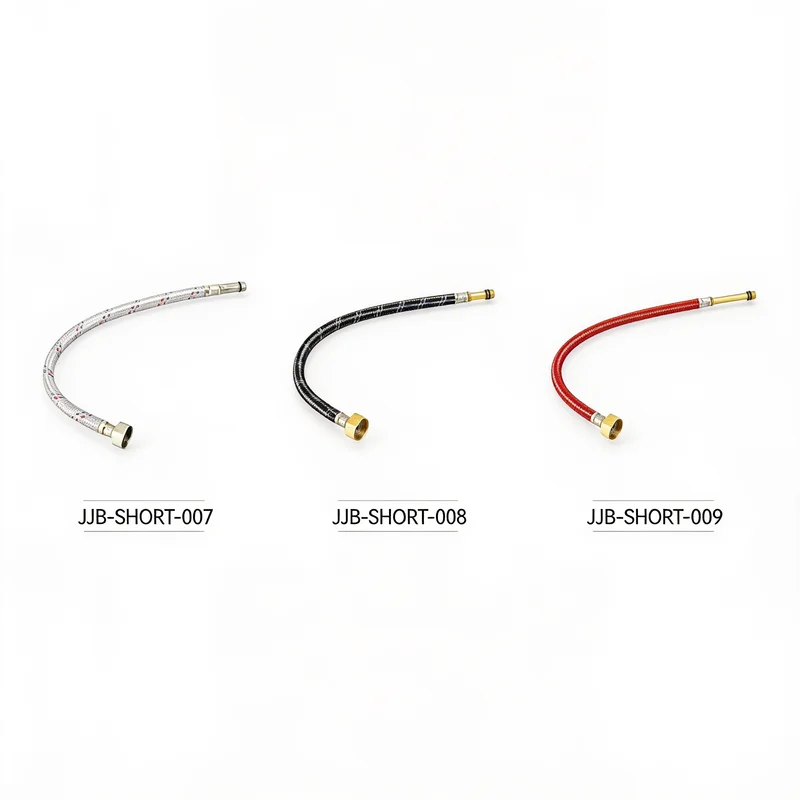
A category specialist with in-house component production changes the risk profile. In our case the sprayers and the braided hoses come from the same supply line — inner tube, braided blank, crimped finished hose — so the two components of a set are engineered together rather than bought from strangers and hoped compatible. The shower hose materials guide covers why that vertical range matters for the component that fails most often.
There is no single "the MOQ is X" answer in this category, and a factory that offers one flat number is usually pricing the ambiguity into it. Real MOQ is tiered by model and finish:
The right ask: send the models and quantities you are planning, and expect an exact quote with no hidden conditions. Tiering is honest arithmetic; opacity is a signal.
The sequence that protects both sides, in order:
Skipping step 1 to save a week is the most expensive sequencing error in the category. The material specs behind the shattaf line are worth reading before the sample call — "steel" in a listing covers several different products, and the sample approval is where that ambiguity gets settled.
The honest structure of certification in this trade: the certificate holder is the importer or the brand, not the factory — and a factory claiming to hold your market's certificate for your brand is worth a second look. Compliance-ready sourcing means the factory supplies everything your certification file needs:
Your side completes the CE, CB, SASO, or market-specific certification with that file. This division is not a workaround — it is how brand-owner certification works in most regulated sanitary-ware markets.
The baseline export set, per shipment:
| Document | What it is | Notes for first-timers |
|---|---|---|
| Commercial invoice | The transaction document customs values the goods against | Model numbers should match your PO and the packing list exactly |
| Packing list | Carton-by-carton contents, weights, and dimensions | What your warehouse receives against — check carton counts at unloading |
| Bill of lading / air waybill | The transport contract and title document | Confirm the consignee and notify party details before the original is issued |
| Certificate of conformity (CoC) | Third-party conformity certificate some destinations require per shipment | Market-specific — confirm whether your destination needs one before production, since issuance takes calendar time |
| Material declarations & spec sheets | The technical file behind your certification | Keep with your own records, not just in the shipment folder |
One classification note that saves real money: sprayers, hoses, and valves sit in different HS headings, so a mixed container is declared as several lines. Confirm the classification per product line with your customs broker before the first order — the broker's answer, not the factory's guess, is the one customs will act on.
Two honest statements about lead times in this trade. First, the factory-side number is quoted per order — it depends on the model mix, finish lots, packaging printing, and where your order sits in the production schedule — which is why the quotation, not an article, is where the binding date lives. Second, the calendar risk that actually bites importers is not the factory; it is the destination market's renovation season.
The clearest example is the Gulf: the pre-Ramadan renovation window concentrates wholesale orders into roughly November–January (for a mid-February Ramadan), and a container that lands in that window sells through at a different speed than one that lands after it. The same planning logic applies to any seasonal market you serve — pin your landing date to the season, then work the production and transit math backwards from it.
For the model-level decisions that feed the PO — family, finish suffix, hose spec, set composition — the shattaf set components guide is the layer under this one; this guide is the workflow around it.
None of the above delays branding. On an OEM line, private-label production is the default mode, not a phase-two project: your laser or pad logo on the body, your color box and insert card, your barcode on export cartons. The only sequencing rule is the one above — product approval before artwork approval — so that branding decisions never rush the spec.
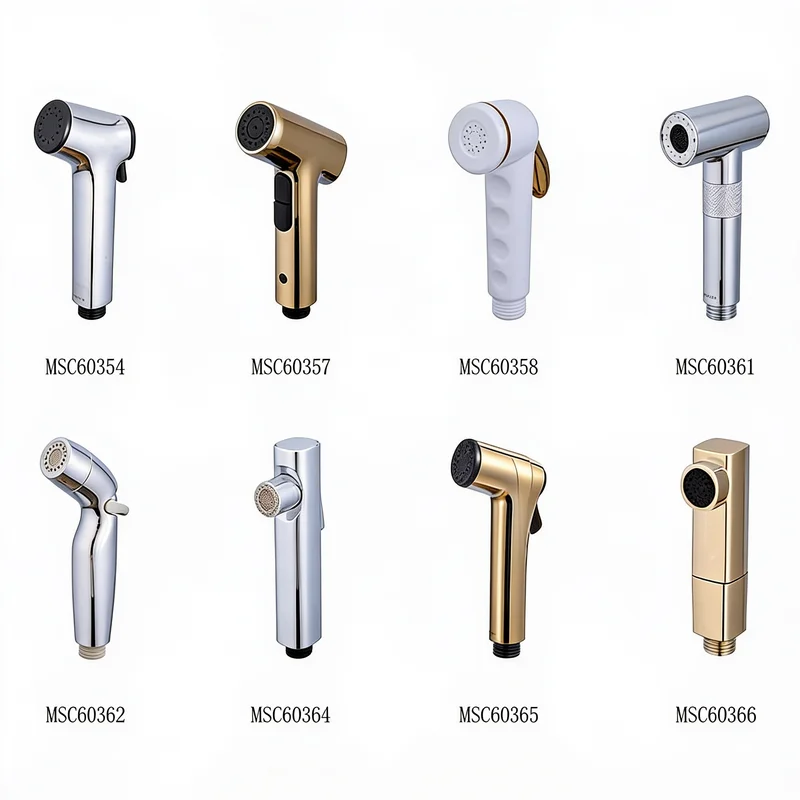
Pick the destination market and price band, choose the model families, and let the quotation pin the MOQ split, lead time, and document set in one place. The shattaf sprayer catalogue and the factory-direct hose line are where container plans usually start — or send your target market, planned quantities, and price bands through the inquiry form or WhatsApp +86 188 4083 8325, and we will come back with a tiered quote, a sample plan, and the documentation list for your destination.